
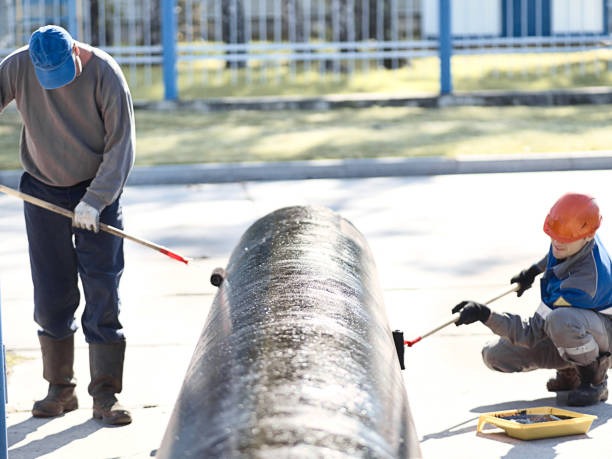
Industrial facilities rely on advanced containment systems to prevent leaks, chemical damage, and environmental contamination. Modern industries such as manufacturing, chemical processing, and oil storage require reliable coating systems that can withstand constant exposure to moisture, acids, and hazardous materials. This is where secondary containment coating contractors play a critical role in maintaining safety standards and long-term operational efficiency.
Industrial environments face continuous risks from spills and chemical exposure. Protective coatings create a barrier that minimizes structural deterioration and helps facilities comply with environmental regulations. Proper installation and maintenance of these systems significantly reduce repair costs and operational downtime.
Importance of Protective Containment Systems
Containment systems are designed to protect floors, tanks, and storage areas from chemical penetration. Without proper coatings, industrial surfaces may crack, corrode, or weaken over time. Facilities handling hazardous substances must ensure that every containment area is properly sealed and resistant to chemical reactions.
Professional secondary containment coating contractors evaluate the condition of concrete and metal substrates before recommending suitable coating materials. Epoxy, polyurethane, and polyurea systems are commonly used because they provide strong adhesion and resistance against abrasion and corrosion.
Industrial plants often experience fluctuating temperatures and heavy equipment movement. High-quality containment coatings help maintain structural stability even under extreme conditions. The durability of these systems directly impacts operational safety and long-term maintenance expenses.
Role of Industrial Coating Specialists
Experienced Industrial Containment Lining Installers understand the technical requirements of industrial containment projects. They prepare surfaces carefully to ensure the coating bonds effectively and performs as intended for many years.
Surface preparation usually includes cleaning, grinding, and repairing damaged areas. Once the substrate is ready, installers apply protective lining systems using specialized tools and techniques. Proper application is essential because uneven coatings can lead to premature failures and safety risks.
Facilities often require coatings that resist acids, fuels, solvents, and water exposure. Professional installers select materials according to the specific chemicals present in the environment. This customized approach ensures maximum protection and compliance with industrial standards.

Benefits of High-Performance Coatings
Industrial containment coatings provide several long-term advantages. One major benefit is corrosion prevention. Chemical spills and moisture can quickly damage untreated surfaces, leading to costly structural repairs. Protective coatings reduce this risk and extend the lifespan of industrial infrastructure.
Another benefit is easier maintenance. Coated surfaces are easier to clean and inspect, helping facility managers identify issues before they become major problems. Smooth and seamless coatings also improve hygiene in facilities where contamination control is essential.
Reliable secondary containment coating contractors help businesses maintain compliance with environmental regulations. Proper containment systems reduce the risk of leaks reaching surrounding soil or water sources. Regulatory compliance protects businesses from fines, legal issues, and environmental liabilities.
Choosing the Right Containment Solutions
Selecting the appropriate coating system depends on operational conditions, chemical exposure, and traffic levels. Some environments require flexible coatings that handle thermal expansion, while others need highly chemical-resistant systems for aggressive substances.
Professional Industrial Containment Lining Installers assess environmental conditions before recommending a solution. Factors such as humidity, substrate condition, and chemical concentration influence coating performance. A customized containment strategy ensures reliable long-term protection.
Project planning is equally important. Installation schedules should minimize disruption to industrial operations while allowing proper curing time for coatings. Experienced contractors coordinate every stage of the process to achieve consistent and durable results.
Long-Term Maintenance and Inspection
Routine inspections help preserve coating performance and identify wear before serious damage occurs. Industrial environments can expose containment systems to heavy impact, chemical spills, and temperature changes that gradually affect durability.
Facility managers often work closely with secondary containment coating contractors to develop maintenance schedules. Regular inspections and minor repairs can significantly extend the lifespan of containment systems and reduce replacement costs.
Maintenance programs may include recoating damaged areas, repairing cracks, and inspecting joints or seams. Preventive maintenance keeps industrial facilities operating safely while maintaining compliance with environmental regulations.
Conclusion
Industrial containment systems are essential for protecting facilities from chemical exposure, corrosion, and environmental damage. Properly installed coatings improve safety, reduce maintenance costs, and extend the life of industrial infrastructure. Skilled Industrial Containment Lining Installers ensure that containment systems perform effectively under demanding industrial conditions. By working with experienced secondary containment coating contractors, businesses can achieve durable protection, regulatory compliance, and long-term operational reliability.
Leave a Reply